International Centre of Governance Society

innovate

International Centre of Governance Society

previous arrow
next arrow
Shadow

WE INNOVATE, CREATE & DELIVER

Strengthening Panchayats, Institution And Communities Through Participation |

Building Good Governance At The Grassroots Of Democracy |

WE INNOVATE, CREATE & DELIVER

Building Good Governance At The Grassroots Of Democracy

Strengthening Panchayats, Institution And Communities Through Participation

WE INNOVATE, CREATE & DELIVER

Building Good Governance At The Grassroots Of Democracy

Strengthening Panchayats, Institution And Communities Through Participation

Slide
Our Vision

ICGS envisages good governance in developmental sectors with the participation of community so that well being of the society ensured.

PlayPause
previous arrow
next arrow
Shadow
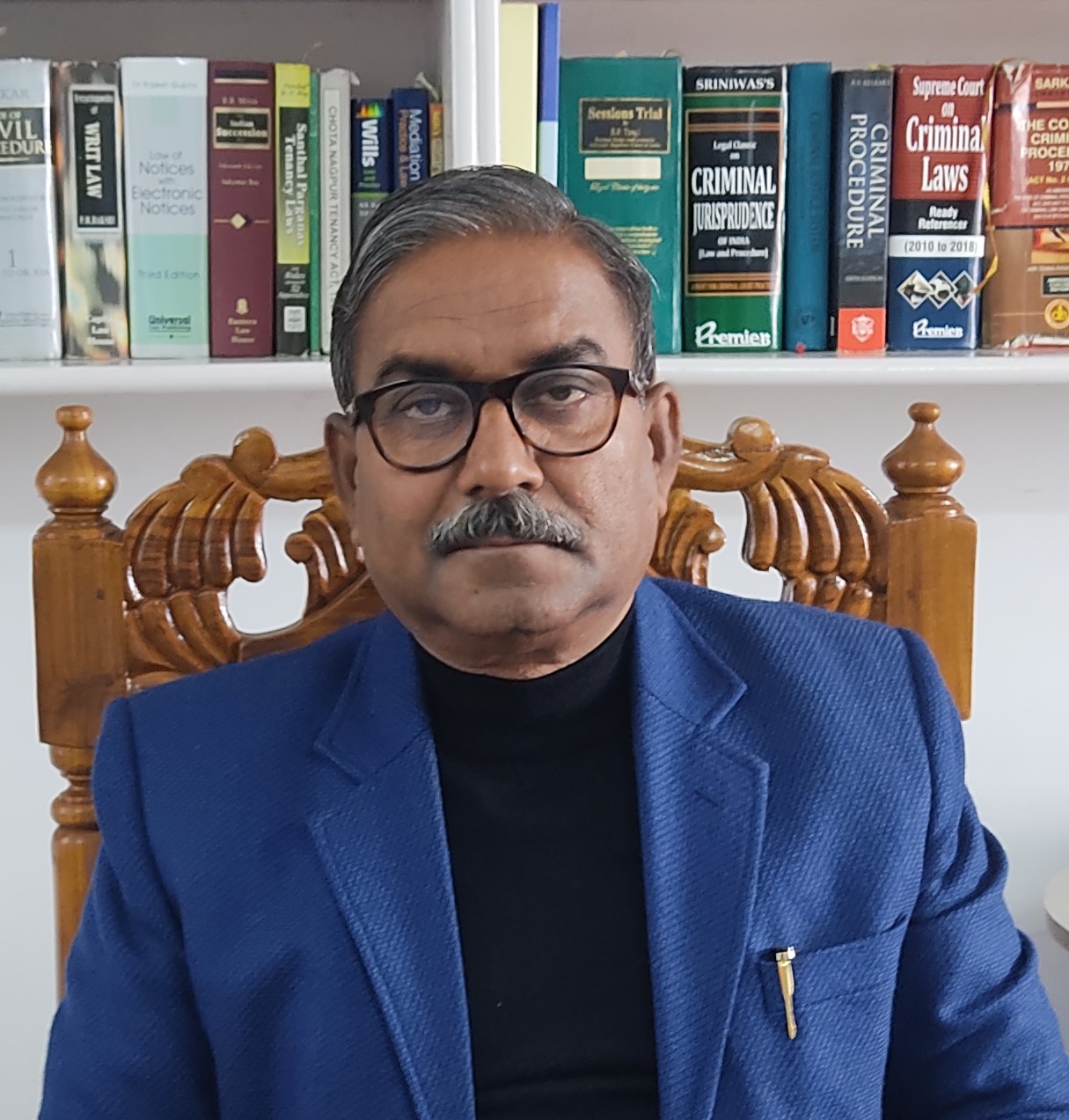
Dr. Suvendu Jaipuriar

Dr. Suvendu Jaipuriar

Secretary
Secretary cum Founder of the organization

From Secretary’s Desk

Democracy becomes meaningful when people actively participate in governance. ICGS is committed to strengthening democratic institutions through transparency, accountability and community participation.

About ICGS

Established in 2009, ICGS aims to promote good governance at the grassroots level across rural India.

Who We Are

Who We Are

International Centre of Governance Society (ICGS) is a governance focused organization working to strengthen democratic institution.
What We Do

What We Do

Strengthening self-governing institutions like Panchayats and communities to promote and implement good governance practices.
Why Good Governance Matters
Collaborative decision-making, effective use of resources, political participation, and accountability ensure that governance systems work in the best interest of society.

Our Field of Specialization

Consultancy
RESEARCH & PLANNING
SURVEY FORMAT FOR RESEARCH & PLANNING
  • Consultancy to government, Corporate and Non Governmental sectors.
  • Consultancy to local self government organization like Panchayati Raj Institution and municipalities.
  • Consultancy to Non Governmental Organizations.
  • Establish link between International ,National funding agencies and grass root level implementing agencies.
  • Fund to Grassroots level NGO.
  • Research on resource available like natural resources and human resources.
  • Developmental planning and policy formulation on the basis of available resources.
  • Research on cultural and religious heritage and policy planning on its enrichment.
  • Research and planning on infrastructure development specially on education and health.
  • Identify the strength and weakness of economic and financial position of the state.
  • Micro Economic overview of the state.
  • Development in primary sector and its gap with reference to nation average. The proposed initiatives of the government are required to reduce the gap in this sector.
  • Overall Industrial scenario of the state, its strength and weakness in utilizing its resources particularly mineral resources, strategic action required in this sector including tourism, information technology etc to boost up the development of the state.
  • The objective analysis of the states physical infrastructure viz Power, Road and Road Transport, Railways, Post, Telecommunication, Civil Aviation including rural and urban development and its fiscal performance being the basis of planning for their further growth and development in right perspective.
  • Outlook of financial sector covering Banking and Non banking performance, credit ratio, price level etc.
  • In social sector, the report will cover poverty and poverty alleviation programmes, Labor and employment, Women Empowerment, Education, Health, Family Welfare, Drinking Water supply and Sanitation and Development of Women and Children with emphasis on economically weaker section and Panchayati Raj Institutions.

In state finances, the report will specify trend of States Tax and Non Tax Revenue, Public Debt and its impact on state revenue, debt sustainability bench mark and its management, Revenue steps required to curb fiscal and primary deficit, economic reforms and its impact etc.


  • Identify the strength and weakness of economic and financial position of the state.
  • Micro Economic overview of the state.
  • Development in primary sector and its gap with reference to nation average. The proposed initiatives of the government are required to reduce the gap in this sector.
  • Overall Industrial scenario of the state, its strength and weakness in utilizing its resources particularly mineral resources, strategic action required in this sector including tourism, information technology etc to boost up the development of the state.
  • The objective analysis of the states physical infrastructure viz Power, Road and Road Transport, Railways, Post, Telecommunication, Civil Aviation including rural and urban development and its fiscal performance being the basis of planning for their further growth and development in right perspective.
  • Outlook of financial sector covering Banking and Non banking performance, credit ratio, price level etc.
  • In social sector, the report will cover poverty and poverty alleviation programmes, Labor and employment, Women Empowerment, Education, Health, Family Welfare, Drinking Water supply and Sanitation and Development of Women and Children with emphasis on economically weaker section and Panchayati Raj Institutions.

In state finances, the report will specify trend of States Tax and Non Tax Revenue, Public Debt and its impact on state revenue, debt sustainability bench mark and its management, Revenue steps required to curb fiscal and primary deficit, economic reforms and its impact etc.

TRAINING
MONITORING AND EVALUTION
PRIORITY AREA OF ICGS
  • Training to government personnel involved in the developmental work.
  • Training to people's representatives and Political Volunteers.
  • Training to NGO personnel.
  • Training to educated youth and placed them in developmental sectors.
  • Monitoring of developmental work implemented by government and Non Governmental organizations on assignment basis.
  • Evaluation of developmental work implemented by Governmental and Non Governmental agencies on assignment basis.
  • Education and Governance.
  • Development and Governance.
  • Leadership, Peoples Involvement, Democratic Reform and governance.
Scroll to Top